The Pull of the Northern Coast
I keep finding myself drawn to wild coastlines, changing skies and the fleeting moments when weather and light transform the landscape. I’ve seen these moments in Ireland, Scotland, Iceland and the Faroe Islands – places that may look very different, but somehow evoke the same feeling in me. Maybe that’s why I keep coming back.
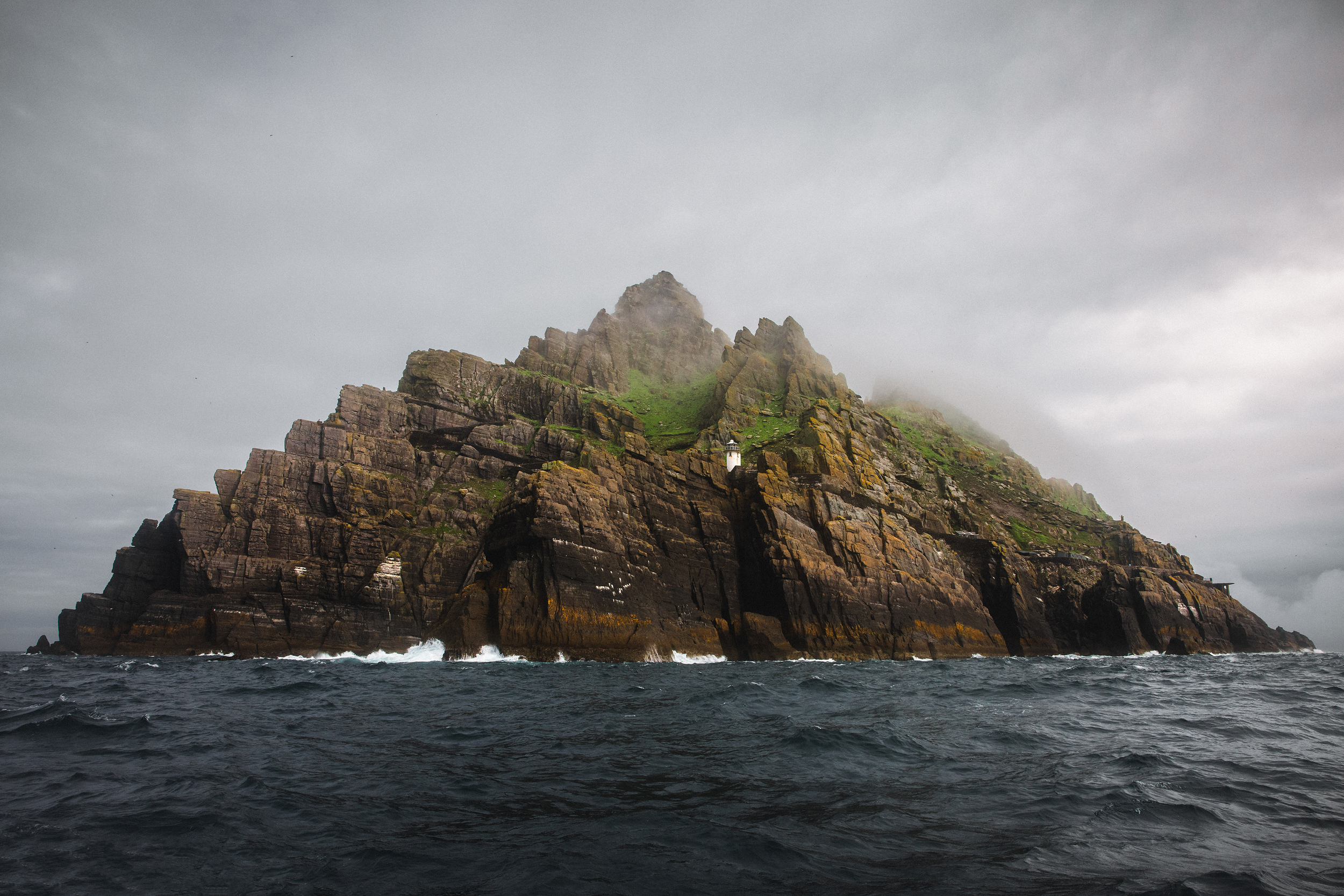
Skellig Michael, Ireland
If I look back at the places I have photographed over the years, I keep noticing the same pattern. I seem to be drawn to the same kind of landscape again and again. A rough coastline. A small road disappearing into the distance. Dark clouds moving across the horizon. Wind, rain, fog, and just enough light breaking through to transform everything for a moment.
From the rugged coastline of the Isle of Skye in Scotland, to the windswept cliffs of Ireland’s Wild Atlantic Way, the remote landscapes of the Faroe Islands, and the raw volcanic shores of Iceland – I keep finding myself at the edge of the sea. And I don’t think it’s a coincidence.
What Is It About These Places?
I think it has something to do with the weather. These places rarely stay the same for very long. One moment, the coastline is buried beneath a thick layer of fog. A few minutes later, the clouds begin to break and sunlight spills across the cliffs. Rain comes and goes with the wind, turning landscapes darker, moodier – more dramatic.
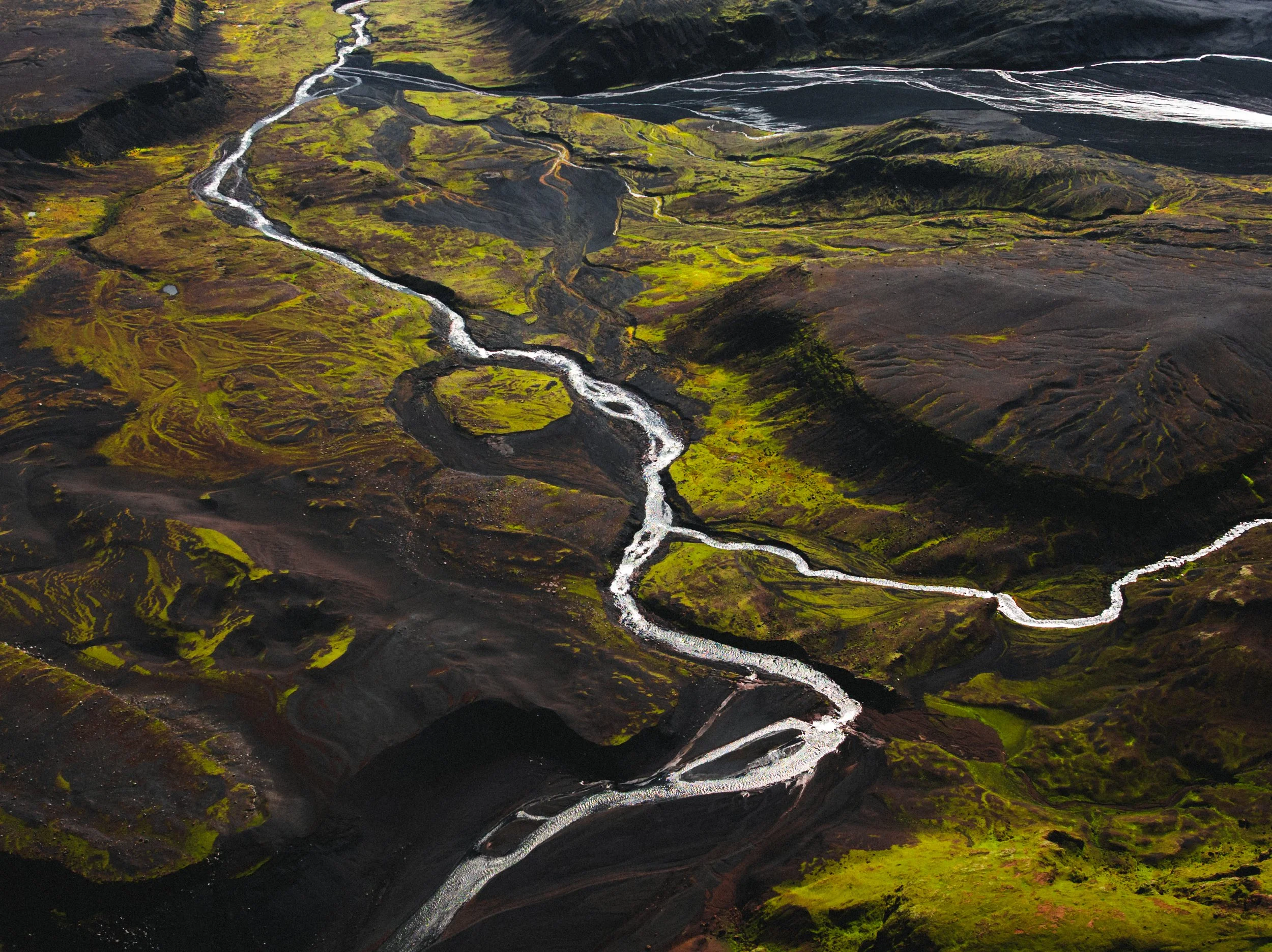
Iceland
Sometimes, the light only lasts for a few seconds. And then it’s gone again. The landscape is never really still. Even when everything around you seems quiet, the ocean is moving. The clouds are moving. The wind is shaping the grass and pushing the waves against the cliffs. There is always something changing.
Standing there, surrounded by all of it, you suddenly feel very small. And maybe that’s what keeps drawing me back to the coastlines of the Atlantic Ocean. Not the promise of perfect weather or postcard conditions, but the opposite. The possibility that the landscape might show you something you could never have planned for.
Where It All Began
Ireland was where I first really fell in love with the wild Atlantic.
The weather is often pretty rough – rain and strong winds rolling in from the ocean, clouds constantly shifting above the cliffs. And then, almost out of nowhere, the sun breaks through for a few minutes, bathing the landscape in a completely different light and making everything feel almost otherworldly.
From the Cliffs of Moher to Achill Island and the winding roads of the Wild Atlantic Way – it’s easy to become fascinated by the rugged coastline and the feeling of being exposed to the elements. I have been there seven times already, and somehow, I still find myself wanting to explore more.
But one place has always stood out to me: Skellig Michael
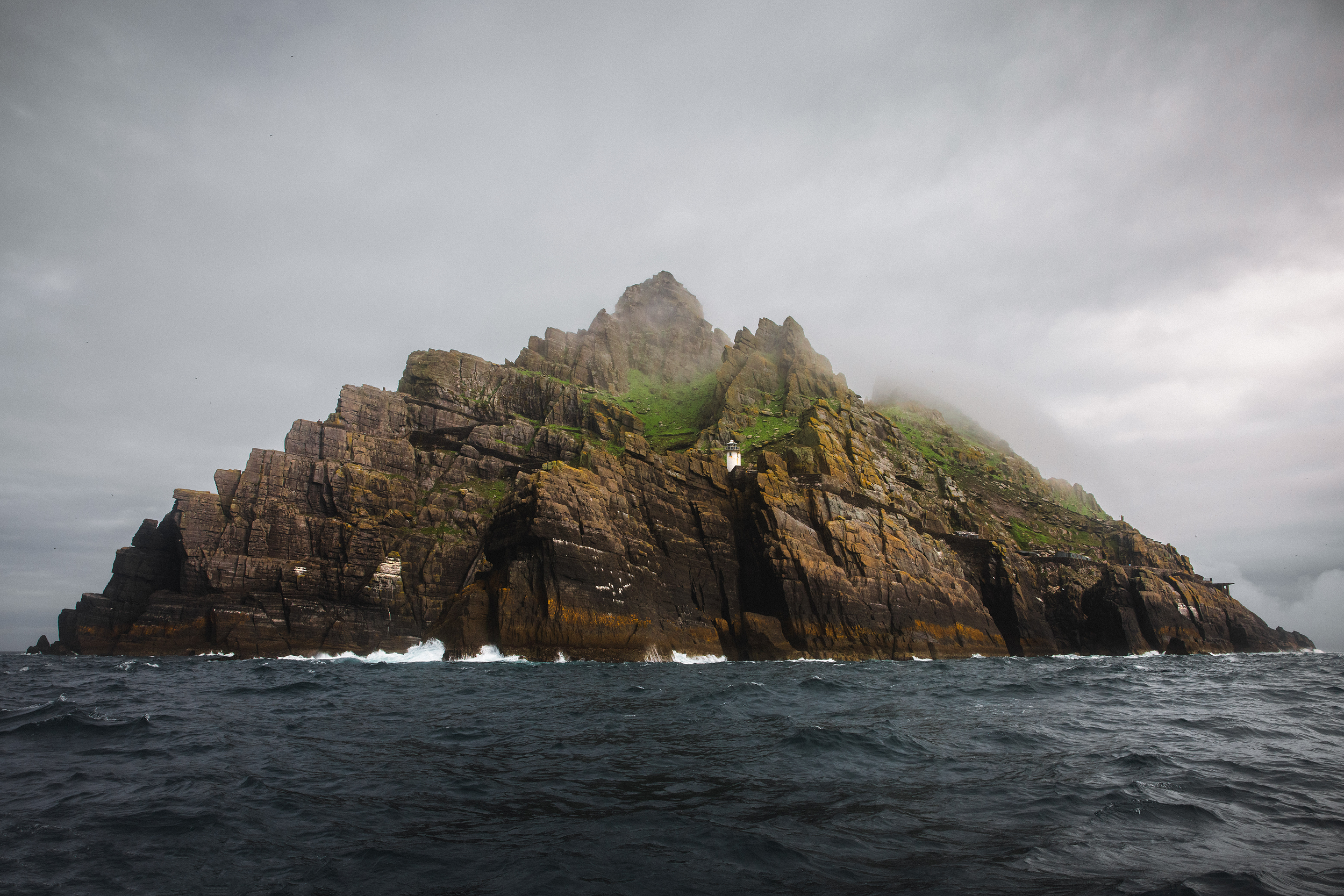
Skellig Michael, Ireland
For years, I had dreamed of seeing this tiny, remote island rising from the Atlantic. Just 21.9 hectares in size, Skellig Michael rises dramatically from the ocean, with its highest peak reaching 218 meters above sea level. Located almost 12 kilometers off the coast of County Kerry, it feels more like a piece of rock lost in the Atlantic than an actual island.
Over a thousand years ago, Christian monks settled on this isolated rock, building a small monastery high above the sea. They lived in simple, beehive-shaped stone huts, surrounded by nothing but cliffs and the open Atlantic.
Even today, Skellig Michael feels almost impossibly remote. There is no road or easy way to reach the island. After crossing the Atlantic by boat, the only way up to the monastery is a climb of more than 600 uneven stone steps carved directly into the rock. The exposed location, unpredictable weather and difficult access have helped preserve the island’s remarkable sense of isolation.
And then there are puffins. During the nesting season, they seem to be everywhere – nesting between rocks, flying around the ancient stone walls and completely ignoring the people passing through their home. Seeing these small, colorful birds against the backdrop of an ancient monastery and the vast Atlantic Ocean makes the whole place feel almost surreal.
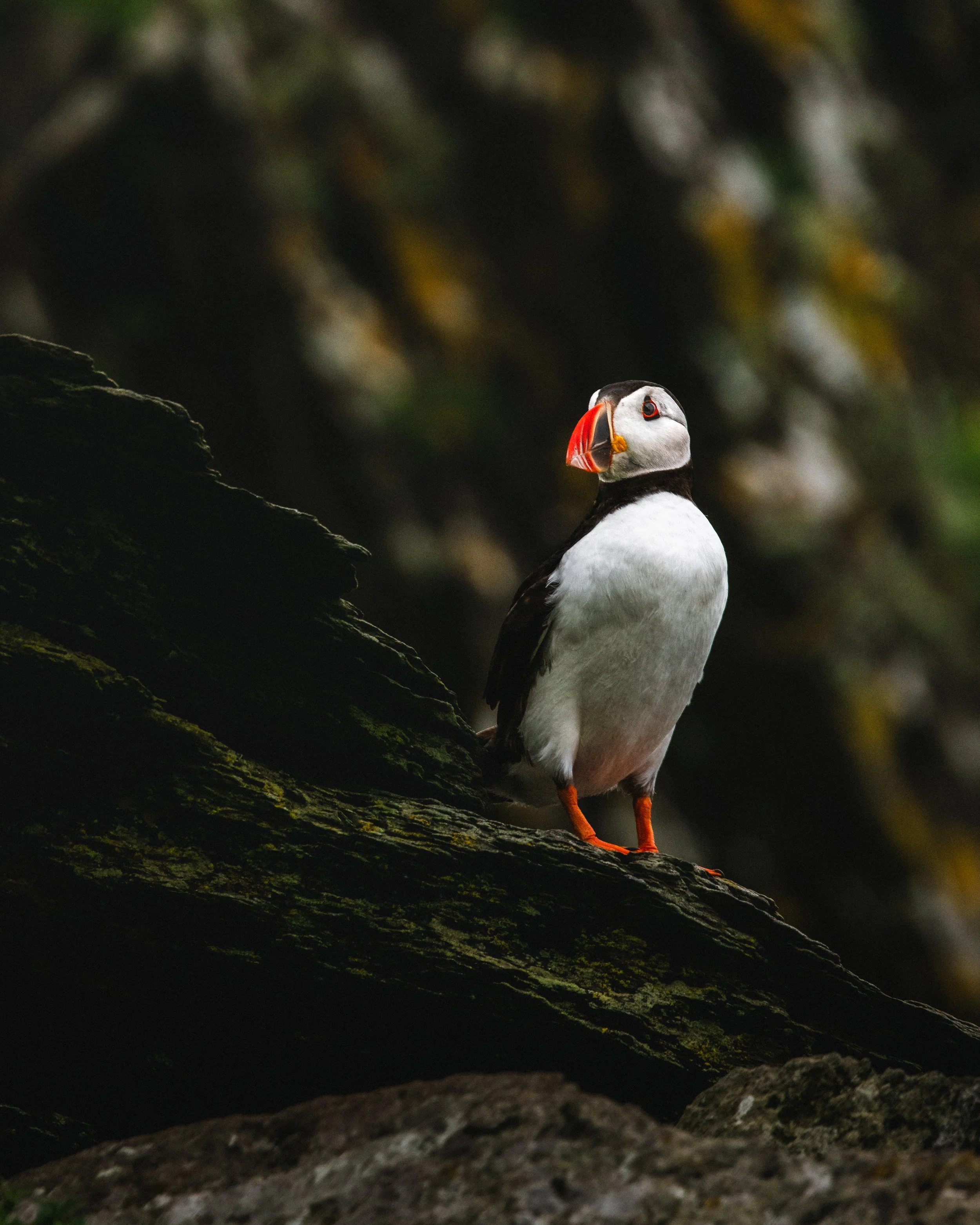
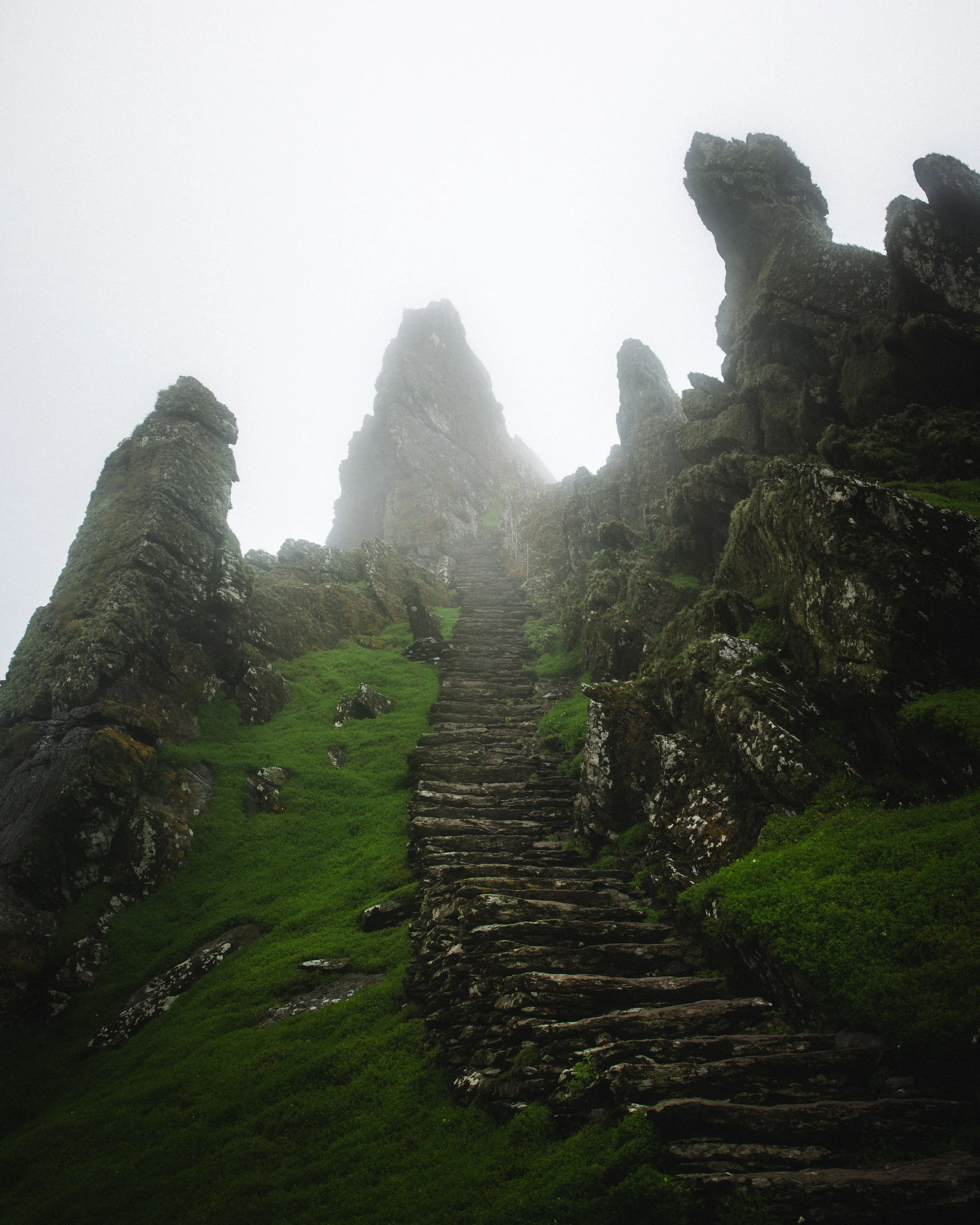
There is something fascinating about standing on the island that feels so far removed from the modern world, surrounded by traces of people who lived here more than a thousand years ago. Skellig Michael had existed in my mind as a photograph for years. Seeing it in person was something else entirely.
Between Mist and Mountains
The Isle of Skye felt like a different kind of wild. Rugged mountains, dramatic cliffs and endless stretches of green, often disappearing into layers of mist and low clouds.
The Old Man of Storr was one of the places that stayed with me most. It is an iconic landscape, but standing beneath those enormous rock formations while the weather constantly shifted around them made it easy to understand why this place has become so famous.
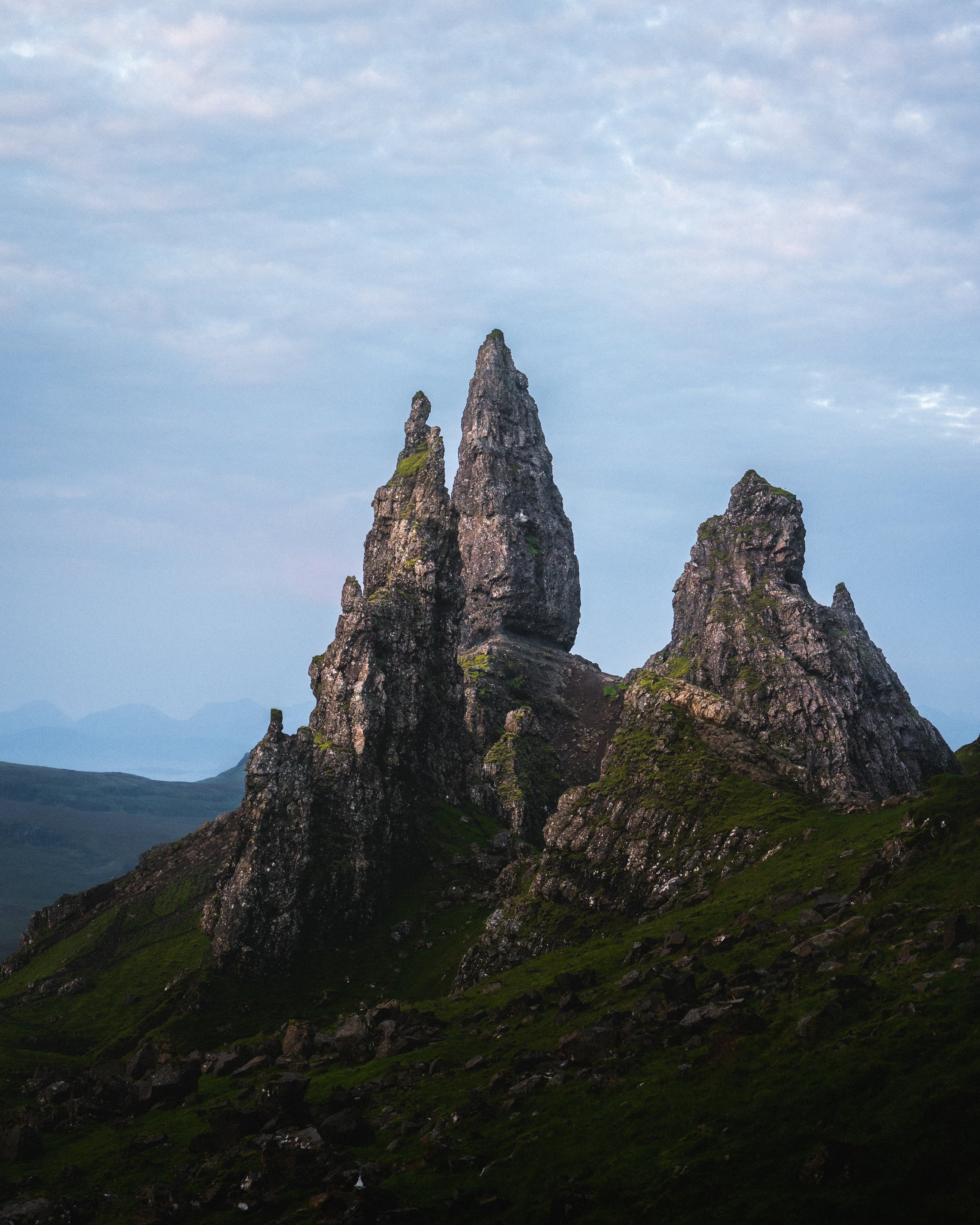
The Old Man of Storr, Scotland
One moment, the peaks are clearly visible. The next, they disappear behind clouds. Skye never seems to stay the same for long. And perhaps that is what I liked most about it. The landscape never feels completely revealed. There is always something hidden behind the mist, like another layer of mountains or a glimpse of the sea waiting to appear.
It is another reminder of what I had already discovered in Ireland – and something I would experience even more intensely in Iceland: sometimes, the weather doesn’t get in the way of the landscape. It is what makes the landscape.
Where the Earth Feels Raw
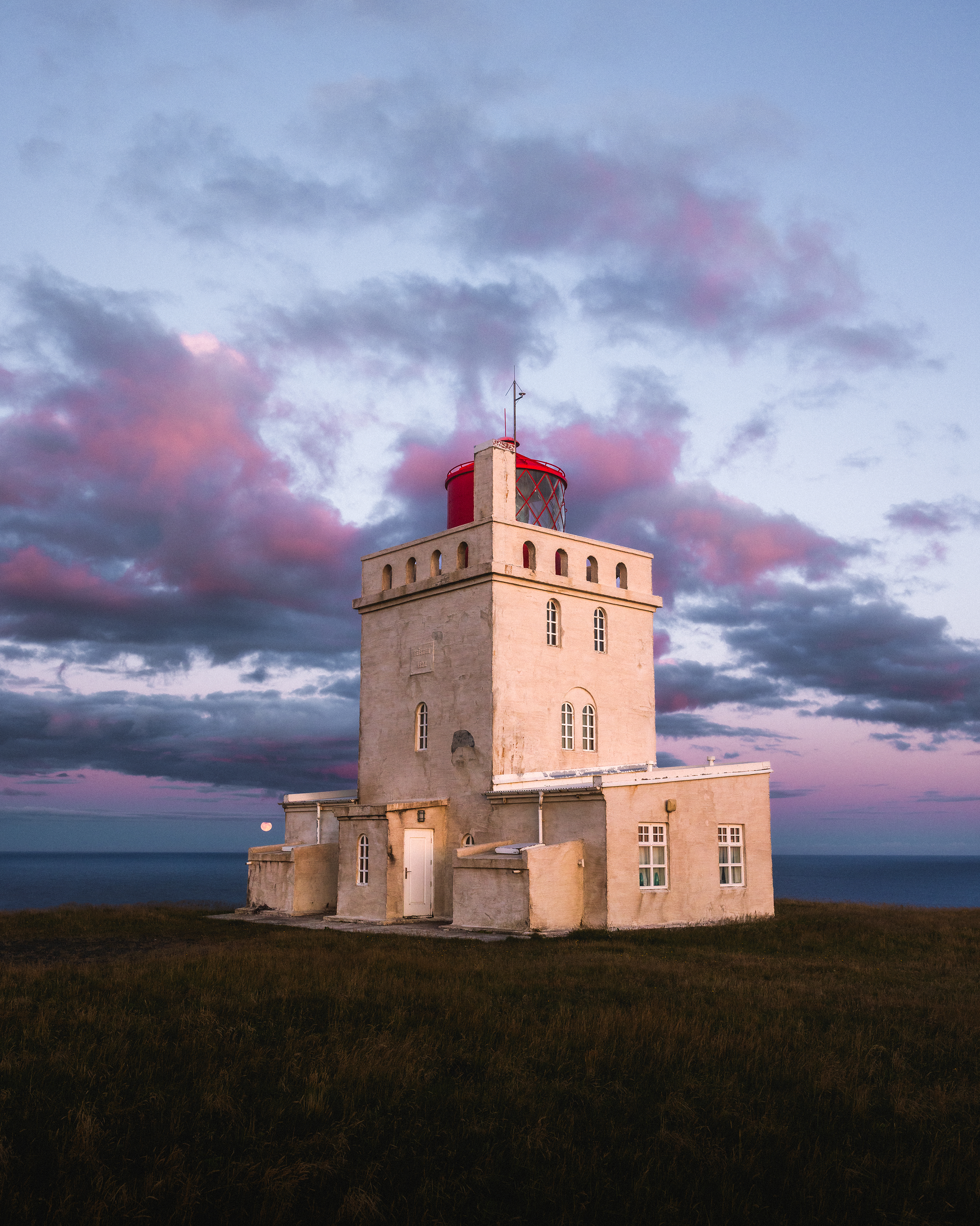
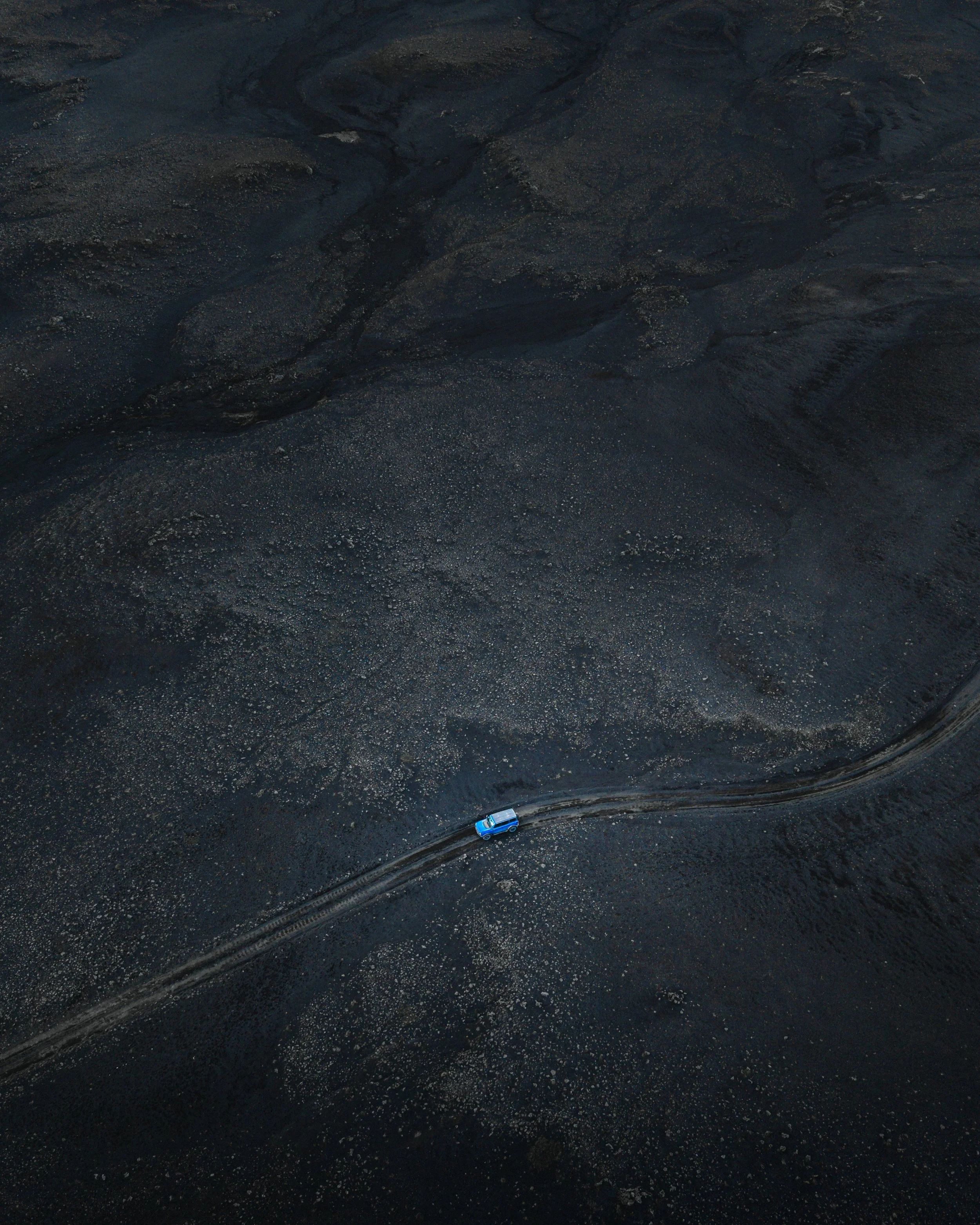
Iceland takes everything I had come to love about these northern landscapes and turns it up a few levels: The coast feels wilder, the landscapes more extreme, and the weather even more unpredictable. Black volcanic beaches, enormous cliffs, glaciers and waterfalls create a landscape that can feel almost surreal – sometimes beautiful, sometimes harsh, and often both at the same time.
What fascinates me most about Iceland is the sheer contrast. Green moss covering dark volcanic rock. Ice sitting above the ocean. And above it all, huge skies constantly changing with the weather. Iceland made me realize that I don’t necessarily look for beautiful conditions when I photograph. I look for moments when the landscape feels alive.
A World Apart
The Faroe Islands feel like stepping into a world of their own. Small islands scattered across the North Atlantic, connected by narrow roads, tunnels and ferries, with tiny villages tucked between steep green mountains and the sea.
What struck me most is the sense of isolation. You can drive for miles without seeing much more than a handful of houses, sheep and endless ocean. The landscape feels incredibly immediate, yet somehow completely removed from the rest of the world.
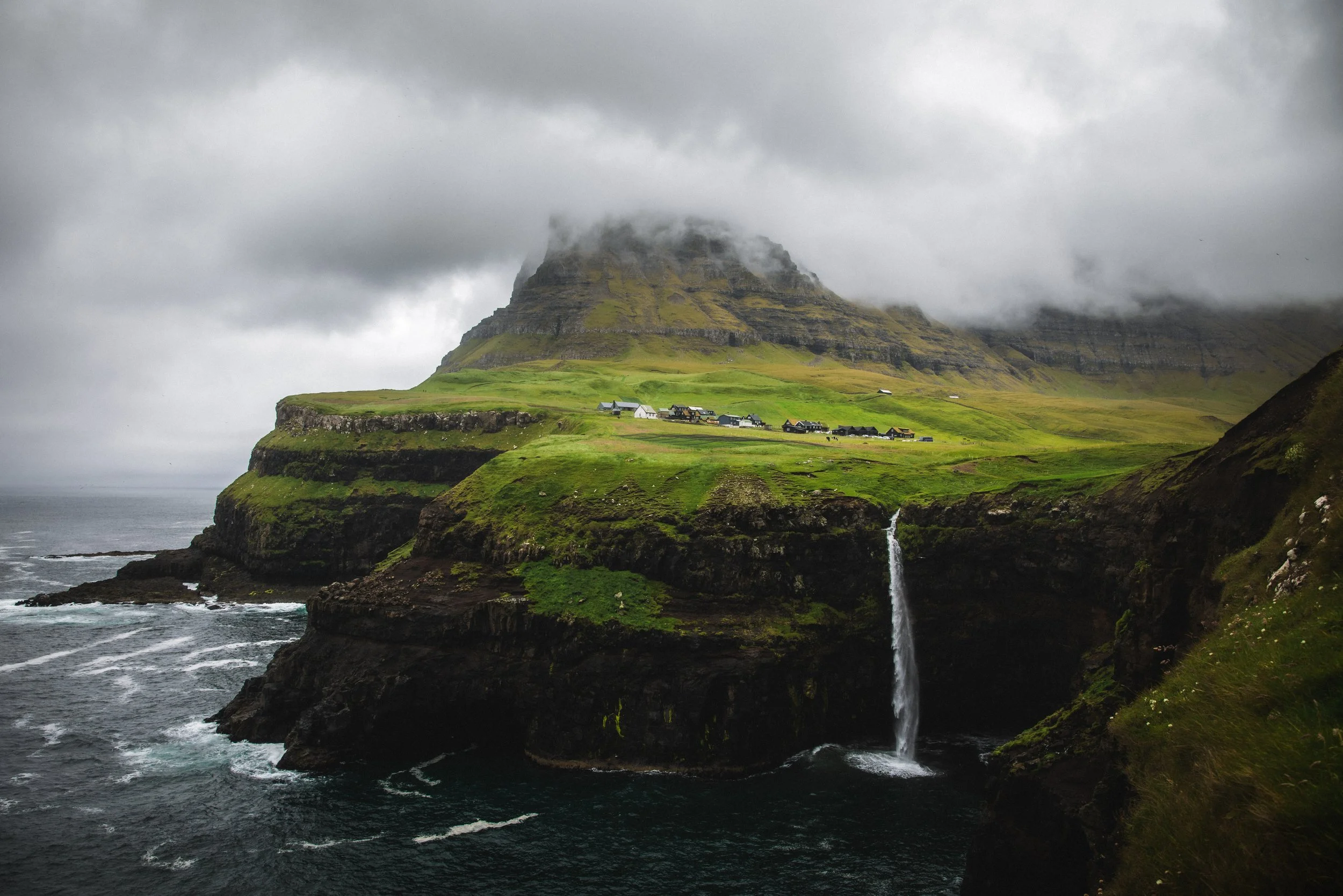
Gásadalur, Faroe Islands
And, of course, the weather is always there. Clouds roll over the mountains, mist settles between the valleys and the light can change the entire mood of a place within minutes. The Faroe Islands are not necessarily the biggest or most dramatic landscapes I have photographed. But there is something about their scale and isolation that makes them feel incredibly intimate.
A small piece of land, surrounded by a very big ocean.
The Feeling I Keep Looking For
Looking back at all these places, I think I finally understand what keeps drawing me back.
It is not necessarily the cliffs, the mountains or the ocean itself. It is the feeling these landscapes create when everything comes together – the wind, the weather, the light, the vastness and the feeling of being completely surrounded by nature.
The places may look different, but the feeling is often the same.
Maybe that is why I keep returning to the northern coastlines. I am not looking for perfect conditions or trying to recreate the same photograph. I am looking for those unpredictable moments when the landscape changes for just a few seconds and suddenly feels completely different.
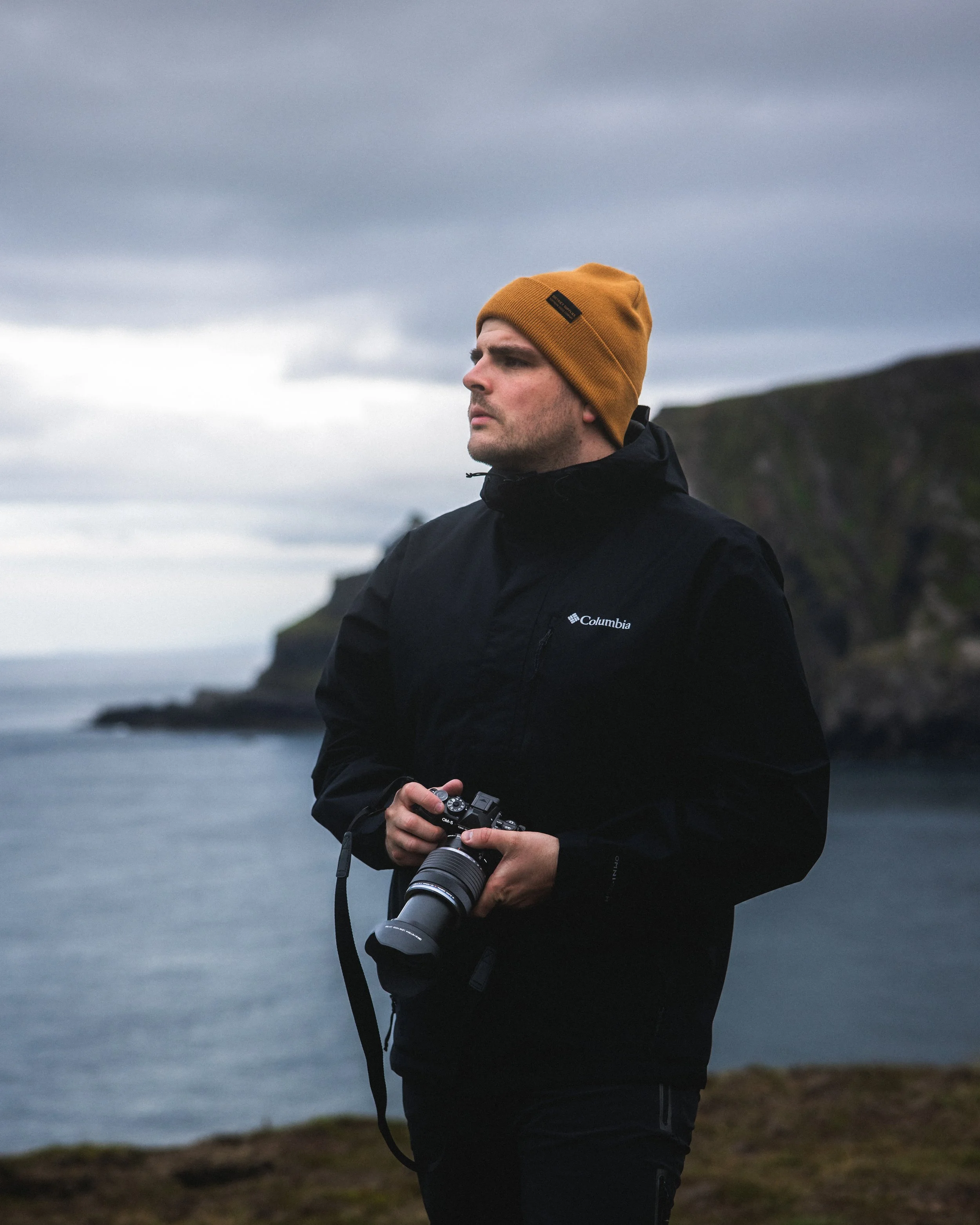
And perhaps that is what I enjoy most about photography: you can travel to the same kind of places again and again, but you never know exactly what they are going to give you.
There will always be another coastline, another storm, another break in the clouds. And I will probably keep going back to find it.